Vascular surgery has witnessed significant advancements in recent years, transforming the way we diagnose and treat vein disorders. Vein disorders, including varicose veins and chronic venous insufficiency, affect millions of people worldwide, causing discomfort and, in some cases, serious health complications. However, with the advent of innovative techniques and technologies, vascular surgeons can now offer more effective and less invasive solutions to those grappling with vein disorders. In this article, we will explore these cutting-edge innovations and their impact on vascular surgery.
Understanding Vein Disorders
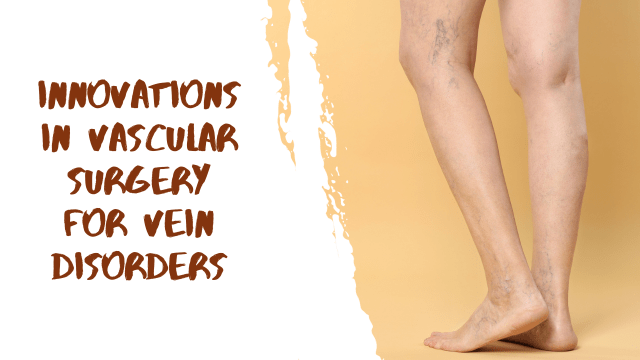
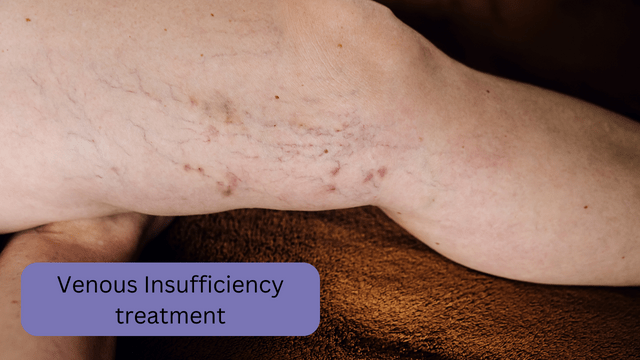
Before delving into the innovations in vascular surgery, it’s essential to comprehend the nature of vein disorders. Varicose veins, for example, occur when the veins in the legs become twisted and enlarged, often leading to pain, swelling, and a visible, unsightly appearance. Chronic venous insufficiency, on the other hand, is characterized by weakened or damaged veins that impede blood circulation, causing various symptoms, such as edema and skin changes. Both conditions can significantly diminish one’s quality of life.
Innovations Revolutionizing Vascular Surgery
- Minimally Invasive Procedures: Traditional surgical approaches for vein disorders, like vein stripping, have been largely replaced by minimally invasive procedures. These techniques are less painful, have shorter recovery times, and are associated with fewer complications.
- Endovenous Laser Treatment (EVLT): EVLT utilizes laser energy to close off malfunctioning veins. It is performed through a small incision, causing minimal discomfort and a swift recovery. EVLT has become a gold standard in treating varicose veins.
- Radiofrequency Ablation (RFA): RFA is another minimally invasive option for varicose veins. It uses radiofrequency energy to heat and seal off the affected vein, redirecting blood flow to healthier veins. This technique boasts a high success rate and minimal post-procedural discomfort.
- VenaSeal: VenaSeal is an innovative procedure that uses a medical adhesive to seal malfunctioning veins. It is virtually painless and offers immediate relief from vein disorder symptoms. VenaSeal is celebrated for its efficiency and patient comfort.
- Advanced Imaging: The use of advanced imaging techniques like ultrasound has revolutionized the diagnosis and treatment of vein disorders. Surgeons can precisely visualize the veins, ensuring accurate treatment and reducing the risk of complications.
- Microphlebectomy: Microphlebectomy is a minimally invasive procedure that involves the removal of large varicose veins through tiny incisions. This approach minimizes scarring and provides an excellent cosmetic outcome.
- Sclerotherapy: Sclerotherapy has evolved with the introduction of foam sclerosants, which are highly effective in treating varicose veins. This technique involves injecting a special solution into the affected veins, causing them to collapse and gradually disappear.
- Customized Treatment Plans: Vascular surgeons now tailor treatment plans to individual patient needs. This personalized approach ensures that patients receive the most appropriate treatment based on the severity of their condition, overall health, and other factors.
- Increased Comfort and Convenience: Many of the newer procedures can be performed on an outpatient basis, allowing patients to return to their daily activities quickly. This enhanced convenience has encouraged more individuals to seek treatment.
Benefits of Innovative Vascular Surgery
The innovations in vascular surgery have numerous advantages, including:
- Less Pain: Minimally invasive procedures are associated with minimal pain during and after treatment.
- Shorter Recovery: Patients can often resume their regular activities within a short period.
- High Success Rates: The advanced techniques have high success rates in treating vein disorders and providing relief from symptoms.
- Minimal Scarring: Smaller incisions result in less noticeable scarring and better cosmetic outcomes.
- Improved Patient Comfort: Patients experience less discomfort during and after treatment, encouraging them to seek help for vein disorders.
Is Innovative Vascular Surgery Right for You?
While these innovative procedures offer substantial benefits, they may not be suitable for all individuals with vein disorders. Factors such as the severity of the condition, vein size, and overall health play a role in determining the most appropriate treatment. Consulting with a vascular specialist is essential to evaluate your unique case and decide on the best course of action.
Conclusion
Innovations in vascular surgery have transformed the landscape of vein disorder treatment. Minimally invasive procedures, advanced imaging, and personalized treatment plans have revolutionized how these conditions are managed. Patients can now benefit from efficient, less painful, and convenient treatment options that significantly improve their quality of life. If you’re dealing with vein disorders, exploring these innovative solutions with a vascular specialist can provide the relief and results you seek, enhancing your overall well-being.


 vascular