Varicose veins, with their visible and often painful presence, prompt many individuals to seek treatment. However, navigating the landscape of varicose vein treatment comes with financial considerations. In this comprehensive guide, we aim to provide valuable insights into varicose vein treatment expenses, empowering consumers to make informed decisions about their vascular health.
Section 1: Understanding Varicose Veins and the Need for Treatment
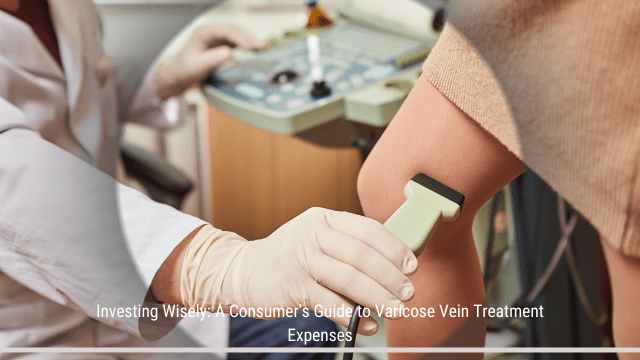
Varicose veins, characterized by swollen and twisted veins, not only pose aesthetic concerns but can also lead to discomfort and health complications. Understanding the necessity of treatment is the first step towards making an informed investment in one’s vascular health.
Section 2: The Varied Landscape of Varicose Vein Treatments
2.1 Conservative Measures: Before delving into treatment expenses, it’s crucial to explore conservative measures, such as lifestyle changes and compression stockings. These approaches may alleviate symptoms without substantial financial commitments.
2.2 Minimally Invasive Procedures: From sclerotherapy to endovenous laser ablation (EVLA), modern medicine offers minimally invasive procedures for effective varicose vein treatment. These procedures, while often more costly than conservative measures, provide lasting results with minimal downtime.
Section 3: Factors Influencing Varicose Vein Treatment Costs
3.1 Treatment Methodology: The chosen treatment method significantly impacts costs. Understanding the differences between procedures aids in evaluating the investment required for optimal results.
3.2 Severity of Varicose Veins: The severity and extent of varicose veins directly correlate with treatment complexity. More advanced cases may require more sessions or specialized procedures, affecting overall expenses.
3.3 Geographical Location: Varicose vein treatment costs can vary based on geographical location. Urban centers may have higher associated costs than suburban or rural areas, highlighting the importance of considering location when budgeting for treatment.
3.4 Credentials of the Vein Specialist: The experience and expertise of the vein specialist play a crucial role in determining costs. Highly skilled specialists may command higher fees, but their proficiency often justifies the investment.
Section 4: Understanding the Breakdown of Varicose Vein Treatment Costs
4.1 Initial Consultation and Diagnosis: The first step in the journey involves an initial consultation and diagnostic procedures. These are often included in the overall cost and are essential for devising an effective treatment plan.
4.2 Procedure Costs: The core of varicose vein treatment costs lies in the procedures themselves. Understanding what these costs cover, including medical staff fees, equipment usage, and facility charges, is pivotal for transparency.
4.3 Post-Treatment Care: Successful varicose vein treatment extends beyond the procedure. Post-treatment care, follow-up appointments, and any prescribed medications or compression stockings contribute to the overall investment.
Section 5: Navigating Insurance Coverage for Varicose Vein Treatment
5.1 Insurance Verification: Consumers are encouraged to engage with their insurance providers to verify coverage for specific varicose vein treatments. This step ensures clarity regarding potential financial support.
5.2 Pre-Authorization and Documentation: Some procedures may require pre-authorization from insurance providers. Gathering thorough documentation from the vein specialist streamlines this process, preventing unforeseen financial burdens.
5.3 Out-of-Pocket Expenses: Consumers should be prepared for potential out-of-pocket expenses, including deductibles and co-payments. Understanding these expenses allows for more accurate financial planning.
Section 6: Smart Financial Planning and Assistance Programs
6.1 Cost Estimation: Seeking a detailed cost estimate from the vein specialist or medical facility enables consumers to plan for the financial commitment required for varicose vein treatment.
6.2 Payment Plans: Many medical facilities offer flexible payment plans to accommodate various financial situations. Inquiring about these options ensures that the financial burden is manageable.
6.3 Government Assistance Programs: Exploring government assistance programs can be beneficial for individuals facing financial constraints. Some programs may provide support for specific medical expenses, offering relief to those in need.
Section 7: Investing in Long-Term Vascular Health
7.1 Value Beyond Cost: While varicose vein treatment comes with associated expenses, the long-term benefits of improved vascular health are invaluable. Consumers are encouraged to view their investment as a commitment to overall well-being.
7.2 Quality of Life Improvement: Consideration of the impact on quality of life is essential. Varicose vein treatment can alleviate pain, enhance mobility, and boost self-confidence, factors that contribute to an improved and fulfilling lifestyle.
Conclusion:
“Investing Wisely: A Consumer’s Guide to Varicose Vein Treatment Expenses” is more than a financial decision; it’s an investment in one’s health and well-being. By understanding the factors influencing costs, exploring insurance coverage, and engaging with the vein specialist transparently, consumers can embark on a journey towards healthier, pain-free, and aesthetically pleasing legs. Remember, the smartest investment is one that prioritizes both short-term affordability and long-term quality of life.
 vascular