Spider veins, those small, twisted blood vessels visible just beneath the skin’s surface, can be a source of concern for many individuals. While generally harmless, spider veins can cause discomfort and self-consciousness. Fortunately, advancements in medical science have provided a range of effective treatments to address these unsightly veins. In this comprehensive guide, we will explore various treatment options for spider veins, considering both minimally invasive procedures and lifestyle changes that contribute to their management.
Understanding Spider Veins:
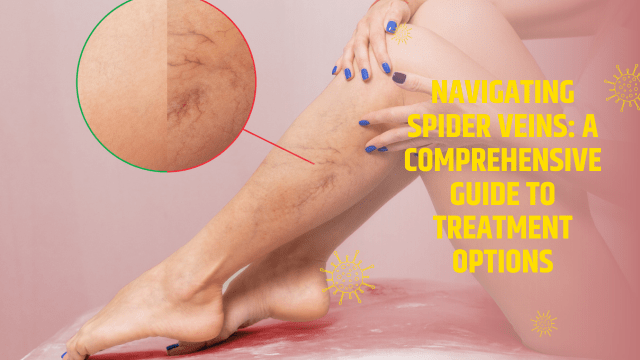
Spider veins, also known as telangiectasia or thread veins, are dilated blood vessels that commonly appear on the legs, face, or other areas of the body. They often have a web-like or branching pattern, resembling spider webs, hence the name. Spider veins are usually a cosmetic concern, but they can cause itching, burning, or aching sensations in some individuals.
- Sclerotherapy: Sclerotherapy stands out as one of the most widely used and effective treatments for spider veins. This minimally invasive procedure involves the injection of a solution directly into the affected vein. The solution irritates the lining of the vein, causing it to collapse and fade over time. Sclerotherapy is particularly suitable for smaller spider veins and is often performed in an outpatient setting. The procedure is well-tolerated, and patients can typically resume their normal activities shortly after.
- Laser Therapy: Laser therapy, or laser ablation, is another popular option for treating spider veins. This procedure utilizes focused laser light to target and heat the affected blood vessels, causing them to collapse and eventually fade away. Laser therapy is precise and can be used to treat spider veins on the face and legs. Multiple sessions may be required for optimal results.
- Intense Pulsed Light (IPL): Similar to laser therapy, Intense Pulsed Light (IPL) treatment uses a broad spectrum of light to target and eliminate spider veins. IPL is particularly effective for smaller veins close to the skin’s surface. The light energy is absorbed by the blood vessels, leading to their destruction. IPL is non-invasive, and patients can usually resume normal activities immediately after the procedure.
- Radiofrequency Ablation (RFA): Radiofrequency Ablation, although more commonly used for varicose veins, can also be effective for treating spider veins. This minimally invasive technique uses radiofrequency energy to heat and close off the affected veins. RFA is performed through a small catheter, resulting in minimal discomfort and a quick recovery.
- Topical Creams: Some over-the-counter or prescription creams contain ingredients that claim to reduce the appearance of spider veins. These creams often contain vitamin K, horse chestnut extract, or botanical extracts that may help improve skin tone and reduce redness. However, the efficacy of topical creams can vary, and results may take time.
- Lifestyle Changes: While not direct treatments, certain lifestyle changes can contribute to the prevention and management of spider veins. These include:a. Regular Exercise: Engaging in regular physical activity promotes healthy blood circulation and can prevent the development of spider veins.b. Leg Elevation: Elevating the legs periodically can reduce the pressure on blood vessels and help prevent spider veins.c. Weight Management: Maintaining a healthy weight reduces the strain on blood vessels and lowers the risk of developing spider veins.d. Avoiding Prolonged Sitting or Standing: Taking breaks and changing positions regularly is essential, especially for individuals with jobs that involve prolonged sitting or standing.e. Compression Stockings: Graduated compression stockings provide external support to blood vessels, helping to reduce swelling and discomfort.
Choosing the Right Treatment:
The choice of treatment for spider veins depends on various factors, including the size and location of the veins, the individual’s overall health, and personal preferences. Consulting with a qualified healthcare professional is crucial for an accurate diagnosis and the development of a tailored treatment plan. In some cases, a combination of treatments may be recommended to achieve the best results.
Potential Side Effects:
While the mentioned treatments are generally safe, it’s important to be aware of potential side effects. Common side effects may include temporary redness, swelling, or bruising at the treatment site. These side effects are typically mild and resolve on their own. Serious complications are rare, especially when the procedures are performed by qualified and experienced practitioners.
Conclusion:
Spider veins may be a common cosmetic concern, but individuals have access to a variety of effective treatment options. From minimally invasive procedures like sclerotherapy and laser therapy to lifestyle changes that contribute to overall vascular health, there are choices to suit different preferences and circumstances. The key lies in consulting with a qualified healthcare professional to determine the most appropriate treatment plan based on individual characteristics and goals. Embracing a comprehensive approach that combines medical interventions with preventive measures can lead to optimal results and improved confidence for individuals dealing with spider veins.
 vascular