Sclerotherapy is a widely used and generally safe procedure for treating spider veins and varicose veins. However, like any medical intervention, it’s essential to be aware of potential risks and safety measures. This article will delve into the intricacies of sclerotherapy, addressing its safety profile, potential side effects, and the importance of consulting with a qualified healthcare professional for personalized guidance.
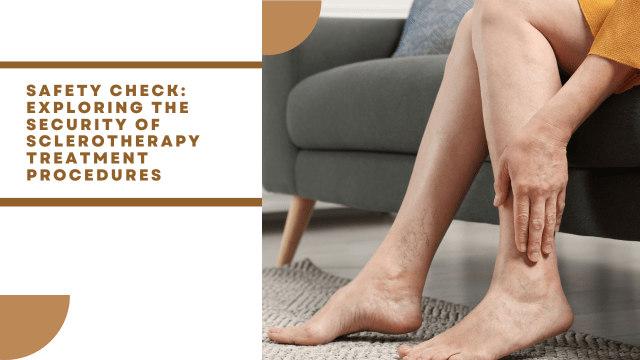
Exploring Sclerotherapy Safety: A Comprehensive Guide
Sclerotherapy is a popular and effective medical procedure designed to address cosmetic and symptomatic concerns associated with spider veins and varicose veins. While it’s generally considered safe and well-tolerated, understanding the safety aspects of sclerotherapy is crucial for individuals considering this treatment option.
What Is Sclerotherapy?
Before we dive into the safety considerations, let’s briefly outline what sclerotherapy entails. This minimally invasive procedure involves injecting a solution directly into the affected veins, causing them to collapse and eventually fade away. It’s commonly used to treat spider veins, small varicose veins, and certain vascular malformations.
Safety Protocols in Sclerotherapy:
- Professional Evaluation: A crucial aspect of ensuring the safety of sclerotherapy is a thorough evaluation by a qualified healthcare professional. Before undergoing the procedure, patients should have a comprehensive examination, including a review of medical history and an assessment of the veins’ condition.
- Qualified Practitioners: Opting for a certified and experienced practitioner is paramount. Only trained healthcare professionals, such as dermatologists, vascular surgeons, or phlebologists, should perform sclerotherapy. Their expertise contributes significantly to the procedure’s safety and effectiveness.
- Patient Screening: Not everyone is an ideal candidate for sclerotherapy. Pregnant women, individuals with a history of blood clots, or those with certain medical conditions may not be suitable candidates. Proper patient screening ensures that those undergoing sclerotherapy are appropriate candidates for the procedure.
- Customized Treatment Plans: Each patient’s vein condition is unique, requiring a tailored approach. A personalized treatment plan takes into account the size, location, and extent of the veins being treated. This customization enhances the safety and precision of the procedure.
Potential Side Effects and Complications:
While sclerotherapy is generally safe, it’s essential to be aware of potential side effects and complications. These can include:
- Temporary Discomfort: Some patients may experience mild discomfort or cramping at the injection site during the procedure. This discomfort is usually temporary and subsides quickly.
- Bruising and Redness: It’s common to observe bruising or redness around the treated veins. These effects are usually minor and resolve on their own over time.
- Allergic Reactions: Allergic reactions to the sclerosing solution are rare but possible. A qualified practitioner ensures that the chosen solution is safe for the individual undergoing treatment.
- Skin Changes: In some cases, skin pigmentation changes or the formation of tiny blood vessels near the treated area may occur. These changes are often temporary.
- Blood Clots: While extremely rare, the formation of small blood clots may occur. This risk is mitigated by proper patient screening and adherence to safety protocols.
Conclusion:
Sclerotherapy, when performed by a qualified professional and with careful consideration of individual patient factors, is generally a safe and effective treatment for vein-related issues. As with any medical procedure, open communication with the healthcare provider, adherence to safety guidelines, and realistic expectations contribute to a positive sclerotherapy experience. Always consult with a healthcare professional for personalized advice and guidance tailored to your specific vascular health needs.
 vascular