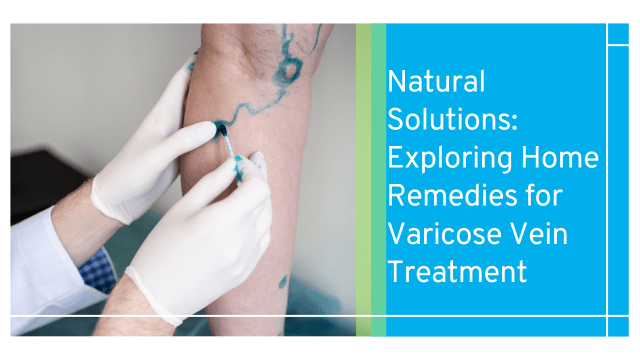
Varicose veins, often characterized by twisted and enlarged veins, can be a source of discomfort and concern for many individuals. While medical interventions exist, exploring natural and home remedies can complement traditional treatments and contribute to overall vein health. In this article, we will delve into various home remedies that have been suggested for varicose vein treatment, emphasizing their potential benefits and considerations.
1. Exercise for Improved Circulation: Regular physical activity is a cornerstone of vein health. Exercise promotes blood circulation, strengthens the muscles that support veins, and can alleviate symptoms associated with varicose veins. Engage in activities such as walking, swimming, and cycling to enhance overall vascular health.
2. Compression Stockings: Compression stockings provide external support to veins, helping to improve blood flow and reduce the symptoms of varicose veins. These stockings are designed to apply graduated pressure, with the highest pressure at the ankle, gradually decreasing towards the thigh. This assists in preventing blood from pooling in the veins.
3. Elevate Your Legs: Elevating your legs above heart level can reduce swelling and improve blood circulation. This is particularly beneficial after long periods of sitting or standing. Take breaks during the day to elevate your legs and promote venous return.
4. Maintain a Healthy Weight: Excess weight can contribute to the development and worsening of varicose veins. Maintaining a healthy weight through a balanced diet and regular exercise can alleviate pressure on veins and reduce the risk of varicosities.
5. Dietary Changes: Certain dietary modifications may support vein health. Including foods rich in antioxidants, such as fruits and vegetables, can help combat inflammation and oxidative stress. Additionally, consuming foods high in fiber can promote bowel regularity, reducing the risk of constipation—a factor linked to varicose veins.
6. Stay Hydrated: Adequate hydration is essential for overall health, including vein health. Proper hydration helps maintain blood volume and viscosity, preventing blood from thickening and reducing the risk of clot formation.
7. Herbal Remedies: Several herbal remedies are believed to have potential benefits for varicose veins. Horse chestnut extract, for example, has been explored for its anti-inflammatory and vein-strengthening properties. However, it’s crucial to consult with a healthcare professional before incorporating herbal supplements into your routine, as they may interact with medications or have side effects.
8. Essential Oils for Massage: Certain essential oils, such as cypress and chamomile, are believed to have anti-inflammatory properties and may be used in diluted forms for massage. Massaging the affected areas gently in an upward motion can promote blood circulation and provide relief.
9. Horse Chestnut Seed Extract: Horse chestnut seed extract is a popular herbal remedy that has been studied for its potential benefits in managing varicose veins. It is thought to improve vein elasticity and reduce inflammation. However, it’s essential to consult with a healthcare professional before using any herbal supplements.
10. Bioflavonoids: Bioflavonoids, found in citrus fruits, have antioxidant properties and are believed to strengthen blood vessels. Consuming foods rich in bioflavonoids, such as oranges and grapefruits, may contribute to overall vein health.
11. Apple Cider Vinegar: Some people suggest applying apple cider vinegar topically to varicose veins. While anecdotal evidence exists regarding its potential benefits, scientific studies supporting this remedy are limited. It’s crucial to patch-test and dilute vinegar before application to avoid skin irritation.
12. Aloe Vera Gel: Aloe vera gel is known for its soothing properties and may be applied topically to alleviate discomfort associated with varicose veins. Ensure the gel is pure and free from additives to minimize the risk of skin reactions.
13. Flavonoid-Rich Foods: Foods rich in flavonoids, such as berries, citrus fruits, and onions, may have anti-inflammatory and antioxidant effects. Including these foods in your diet may contribute to overall vascular health.
Considerations and Precautions:
While exploring home remedies for varicose veins, it’s essential to approach them with caution and be aware of potential limitations. Some considerations include:
- Consultation with Healthcare Professionals: Before embarking on any home remedy regimen, it’s crucial to consult with healthcare professionals, especially if you have pre-existing health conditions or are taking medications.
- Individual Responses: Responses to home remedies can vary among individuals. What works for one person may not yield the same results for another. Pay attention to your body’s responses and adjust your approach accordingly.
- Consistency is Key: Many home remedies require consistent and long-term application to observe potential benefits. Patience and commitment are essential when incorporating these practices into your routine.
- Monitor for Allergic Reactions: Some individuals may be sensitive or allergic to certain remedies. It’s advisable to patch-test and monitor for any adverse reactions before widespread application.
- Combination Approach: Home remedies can be complementary to traditional treatments, but they should not replace medically prescribed interventions. A combination approach, incorporating both medical and home-based strategies, may be the most effective.
Conclusion:
Exploring home remedies for varicose vein treatment is a personal journey that requires careful consideration and consultation with healthcare professionals. While these remedies may offer relief for some individuals, they should be viewed as part of a holistic approach to vein health. Lifestyle modifications, dietary changes, and herbal remedies can contribute to overall well-being and may enhance the effectiveness of medical interventions. As with any health-related decision, it’s essential to prioritize safety, seek professional guidance, and tailor approaches to individual needs.
 vascular