Prevention is often the best approach to venous diseases. By adopting specific lifestyle changes, you can reduce your risk and keep your veins healthy. In this article, we will discuss tips for preventing venous diseases.
Stay Active
Regular physical activity is one of the most effective ways to promote healthy veins. Exercise encourages proper blood circulation and strengthens the muscles that assist in pumping blood back to the heart. Activities like walking, swimming, and cycling are particularly beneficial.
Watch Your Weight
Maintaining a healthy weight is crucial for overall health and vein health. Excess weight can place added pressure on your veins, making it more challenging for them to function optimally. A balanced diet and regular exercise can help you achieve and maintain a healthy weight.
Elevate Your Legs
If you find yourself sitting or standing for extended periods, remember to take short breaks to elevate your legs. This simple action can help alleviate pressure on your leg veins and encourage better blood flow.
Avoid Prolonged Sitting or Standing
Whenever possible, try to avoid sitting or standing for long periods. If your job involves a lot of sitting, make an effort to stand up and move around for a few minutes every hour. Conversely, if you spend most of your day on your feet, take breaks to sit and elevate your legs.
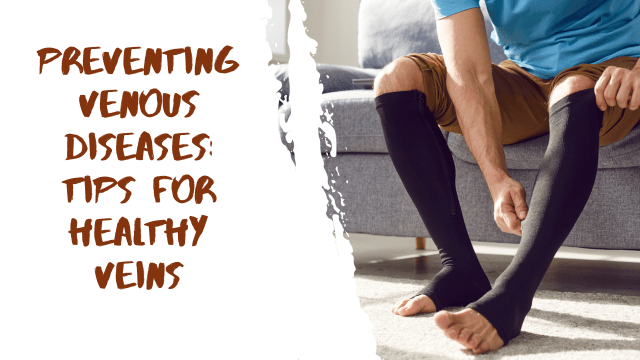
Wear Compression Stockings
Compression stockings provide additional support to your leg veins, helping with more efficient blood flow. They are particularly helpful for individuals at risk of venous diseases or those with mild symptoms.
Fiber-Rich Diet
A diet high in fiber from fruits, vegetables, and whole grains can contribute to leg vein health. Fiber helps prevent constipation, which can increase abdominal pressure and affect proper blood flow from the lower extremities.
Stay Hydrated
Proper hydration maintains an optimal viscosity of your blood, ensuring it flows smoothly through your veins. Drinking an adequate amount of water also helps prevent the formation of blood clots.
Limit Salt Intake
Excessive sodium intake can lead to water retention and swelling, which can exacerbate vein issues. Reducing salt in your diet is beneficial for both leg vein health and overall cardiovascular health.
Potassium-Rich Foods
Potassium helps regulate blood pressure, reducing the risk of venous diseases. Foods like bananas, sweet potatoes, and spinach are rich in potassium.
Incorporate Anti-Inflammatory Foods
Foods like berries, garlic, turmeric, and ginger have anti-inflammatory properties and can help reduce inflammation in your veins.
Maintain a Balanced Diet
Consuming a diet rich in fruits and vegetables provides antioxidants that promote vascular health. These antioxidants strengthen vein walls, improve circulation, and reduce inflammation.
Manage Stress
Chronic stress can lead to the release of stress hormones that may impact blood vessel health. Practice stress-reduction techniques, such as meditation or yoga, to maintain leg vein health.
Conclusion
Preventing venous diseases is not only achievable but crucial for maintaining your overall health and quality of life. By incorporating these lifestyle changes into your daily routine, you can significantly reduce the risk of venous diseases, discomfort, and other related symptoms. Prioritizing leg vein health through regular exercise, a balanced diet, and proper hydration is an investment in your long-term well-being.
 vascular