Varicose veins are a common vascular condition, affecting millions of people around the world, particularly in the legs. These bulging, twisted veins not only affect the appearance of your legs but can also lead to discomfort and other health issues. However, there’s good news. Vascular surgery offers effective solutions for varicose veins, bringing renewed leg health to those who seek treatment.
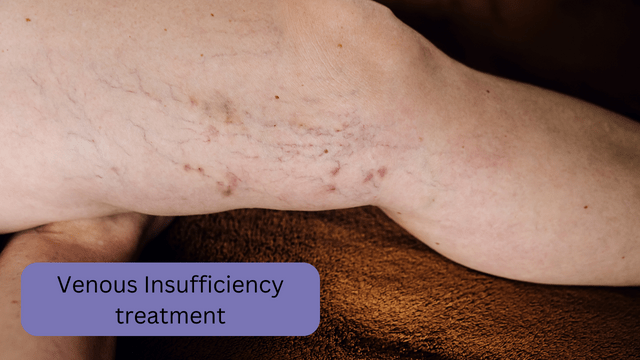
In this article, we’ll delve into the world of varicose veins, understanding their causes and symptoms, and explore how vascular surgery can provide lasting relief, allowing individuals to enjoy healthy, pain-free legs once again.
Understanding Varicose Veins
Varicose veins are enlarged, swollen, and often twisted veins that commonly occur in the legs. They are usually blue or purple in color and can be seen just beneath the surface of the skin. Varicose veins develop when the valves within the veins weaken or become damaged, causing blood to flow backward and pool within the veins.
Several factors contribute to the development of varicose veins, including:
- Heredity: A family history of varicose veins can increase your risk of developing them.
- Age: As we age, the valves in our veins may weaken, making varicose veins more likely.
- Gender: Women are more susceptible to varicose veins, especially during pregnancy due to increased blood volume and hormonal changes.
- Obesity: Excess weight puts additional pressure on the veins, increasing the likelihood of varicose veins.
- Prolonged Standing or Sitting: Jobs that require long periods of standing or sitting can contribute to the development of varicose veins.
- Lack of Exercise: Physical inactivity can affect blood circulation and increase the risk of varicose veins.
Recognizing Varicose Veins: Symptoms and Complications
Varicose veins are not just a cosmetic concern; they can cause a range of symptoms and complications, including:
- Leg Pain and Aching: Many individuals with varicose veins experience pain or aching in the legs, particularly after prolonged periods of standing or sitting.
- Swelling: Swelling, usually in the lower legs and ankles, is common among those with varicose veins.
- Itching and Discomfort: The affected veins may cause itching, burning, or general discomfort.
- Leg Cramps: Some people with varicose veins may experience leg cramps, especially at night.
- Skin Changes: The skin around varicose veins may become discolored, dry, or inflamed.
- Ulcers: In severe cases, varicose veins can lead to the development of venous ulcers, which are painful sores that can be challenging to heal.
It’s essential to seek medical attention if you experience these symptoms, as untreated varicose veins can lead to more severe complications, such as deep vein thrombosis (DVT) or skin changes that may result in ulcerations.
Vascular Surgery for Varicose Veins
Vascular surgery offers a range of effective treatments for varicose veins, and the choice of procedure often depends on the severity of the condition. Some of the common vascular surgery options for varicose veins include:
- Endovenous Laser Treatment (EVLT): EVLT is a minimally invasive procedure that uses laser energy to close off the affected veins. It is highly effective in treating varicose veins and is typically well-tolerated by patients.
- Radiofrequency Closure: This procedure uses radiofrequency energy to heat and seal the damaged veins. It is an excellent option for individuals with varicose veins and is associated with minimal discomfort.
- Sclerotherapy: Sclerotherapy is a non-surgical procedure that involves injecting a solution directly into the varicose veins, causing them to collapse and eventually be reabsorbed by the body.
- Ambulatory Phlebectomy: Ambulatory phlebectomy is a minimally invasive surgical procedure used to remove small varicose veins through tiny incisions. It is often used in conjunction with other treatments.
- Vein Stripping: In cases where veins are significantly damaged, vein stripping may be recommended. This procedure involves removing the damaged veins through small incisions.
- High Ligation and Vein Removal: This surgical procedure involves tying off the saphenous vein and then removing it. It is often performed in combination with other treatments.
The Benefits of Vascular Surgery for Varicose Veins
Vascular surgery offers several key benefits for individuals suffering from varicose veins:
- Symptom Relief: Vascular surgery can provide significant relief from the pain, swelling, and discomfort associated with varicose veins.
- Improved Appearance: The removal or closure of varicose veins can enhance the appearance of the legs.
- Prevention of Complications: Vascular surgery can prevent the development of complications like venous ulcers or deep vein thrombosis.
- Enhanced Circulation: By eliminating or repairing damaged veins, vascular surgery promotes healthier blood circulation in the legs.
- Minimal Downtime: Most vascular surgery procedures for varicose veins require minimal downtime, allowing patients to return to their regular activities relatively quickly.
Recovery and Aftercare
After vascular surgery for varicose veins, there are several crucial aspects of recovery and aftercare:
- Compression Stockings: Patients are often advised to wear compression stockings to promote healing and reduce swelling. These stockings help improve blood circulation.
- Physical Activity: Gentle walking is often encouraged to promote blood flow and prevent blood clots.
- Medications: Pain medications and anti-inflammatory drugs may be prescribed to manage discomfort and reduce inflammation.
- Follow-up Appointments: Regular follow-up appointments with the vascular surgeon are essential to monitor progress and address any concerns.
- Lifestyle Modifications: Vascular surgeons often recommend lifestyle changes, including maintaining a healthy weight and engaging in regular physical activity, to prevent the recurrence of varicose veins.
Preventing Varicose Veins
While vascular surgery can effectively treat varicose veins, it’s also important to take steps to prevent them in the first place. Here are some strategies for preventing varicose veins:
- Regular Exercise: Engage in regular physical activity to promote good blood circulation and strengthen the leg muscles.
- Maintain a Healthy Weight: Excess weight can put additional pressure on your veins. Maintain a healthy weight to reduce your risk of varicose veins.
- Elevate Your Legs: If you spend long hours sitting or standing, take breaks to elevate your legs and encourage blood flow.
- Wear Compression Stockings: If you are at high risk for varicose veins, consider wearing compression stockings, which provide gentle pressure to support healthy circulation.
- Avoid Crossing Your Legs: Crossing your legs can impede blood flow. Try to sit with your legs uncrossed whenever possible.
- Stay Hydrated: Drink plenty of water to maintain healthy blood viscosity and circulation.
In Conclusion
Varicose veins are a common vascular issue that can have a significant impact on your quality of life. Vascular surgery offers effective treatments to alleviate symptoms, enhance the appearance of your legs.
 vascular